Hercules Top Foundation Contractor for Custom Projects
Establishing on Firm Ground: The Importance of Hiring a Foundation Contractor
Foundation stability is critical for any home. Homeowners often overlook the importance of hiring a foundation contractor. These specialists hold a critical position in inspecting and upholding the structural integrity of a home. They detect problems at an early stage and apply practical solutions. Ignoring this element can cause significant financial burdens and dangerous safety issues. Grasping the complexities of foundation work can significantly influence long-term property value and safety, encouraging a deeper appreciation of professional guidance.
The Importance of Foundation Contractors and Their Role
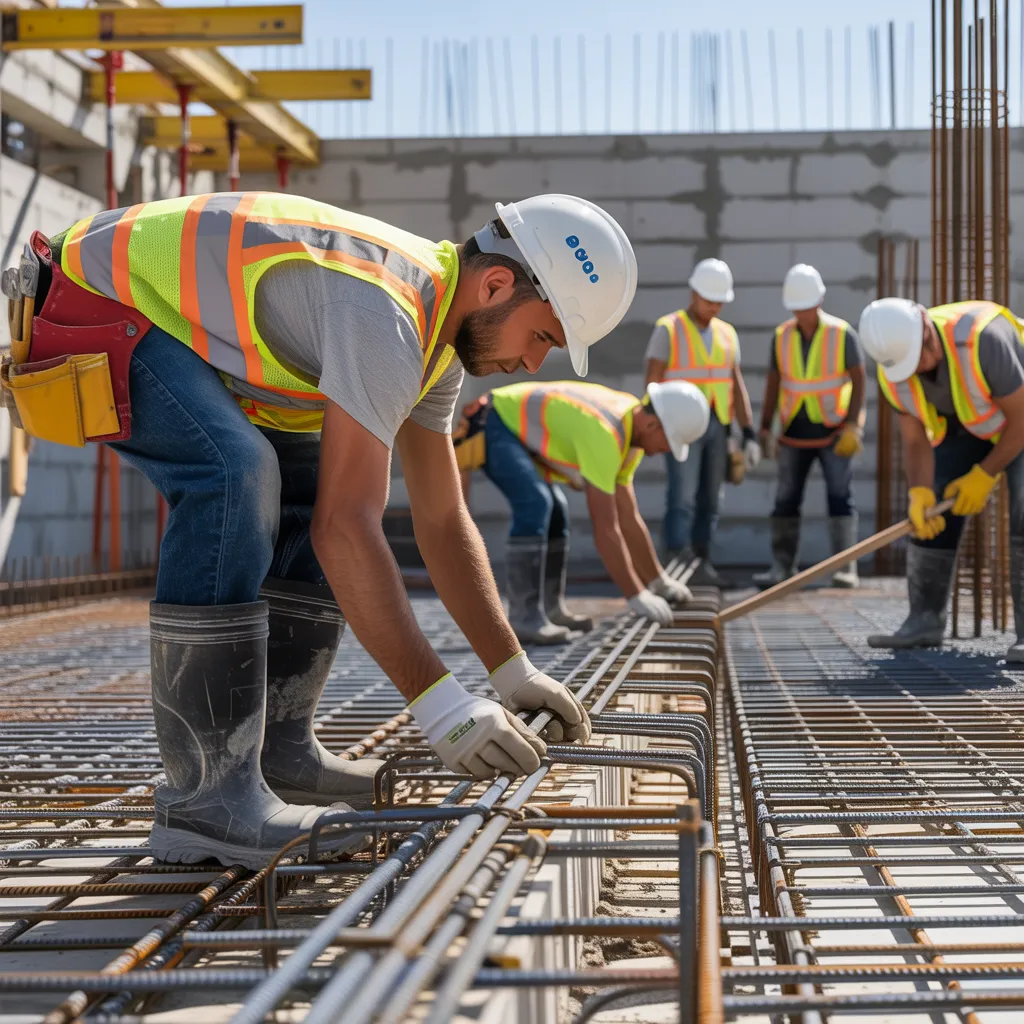
Foundation specialists play an essential role in the construction industry, as they are tasked with laying the groundwork that sustains a building's structure. Their expertise encompasses a range of tasks, including installing footings and slabs, excavation, and grading. These specialists assess soil conditions to select the most appropriate foundation type, guaranteeing durability and structural stability. They also follow local construction regulations and codes, which is essential for maintaining safety and compliance.
Partnership with design and engineering professionals is imperative, as foundation contractors must synchronize their work according to broader construction plans. Moreover, they utilize advanced tools and methods to handle different site conditions, such as drainage management and soil stabilization. Ultimately, foundation contractors establish the essential groundwork that strengthens the structure while improving its long-term resilience, making their role invaluable in the overall success of every building endeavor.
Common Foundation Problems and Their Remedies
Foundation concerns can greatly impact a home's stability and safety. Frequent concerns involve breaks in the foundation walls, moisture penetration, and uneven floors. Tackling these issues quickly is essential to prevent further damage and guarantee structural integrity.
Cracks In Foundation Walls
Cracks in foundation walls often signal deeper concerns that demand consideration. These cracks can vary in size and severity, suggesting complications including ground settling, soil shifting, or poor drainage. Vertical cracks are generally less concerning, commonly occurring due to material shrinkage while curing, whereas horizontal cracks may point to more severe structural problems. Property owners ought to track the development of these cracks; if they grow larger or spread, a professional inspection is critical. Fixes may encompass foundation repair approaches, like underpinning or structural wall bracing, according to how serious the damage is. Timely intervention by a qualified foundation contractor may stop further deterioration, preserving the stability and safety of the residence. Addressing cracks promptly helps maintain property value and structural stability.
Water Infiltration Issues
Water infiltration presents serious concerns for property owners, commonly causing significant structural harm if not properly addressed. This problem commonly stems from insufficient drainage, subpar waterproofing, or cracks in the foundation. When water seeps into the foundation, it can compromise the integrity of the structure, promoting mold growth and creating a hazardous living environment. Remedies generally include assessing drainage systems, placing sump pumps, and implementing waterproof coatings on foundation walls. For more serious situations, excavation might be required to resolve deeper problems. Working with a certified foundation professional assures that the primary causes of water seepage are accurately diagnosed and handled, maintaining the residence's value and safety. Timely intervention can prevent costly repairs and enhance overall property resilience.
Problems With Uneven Flooring
Numerous homeowners encounter irregular flooring, a frequent sign suggesting possible foundation issues. This problem frequently stems from soil movement, settling, or water infiltration affecting the structural integrity beneath the home. When the foundation moves, it can create slopes or dips in the flooring, resulting in worries about both safety and appearance.
To address floor unevenness, enlisting a foundation contractor is crucial. A qualified contractor can carry out a detailed assessment to determine the root causes and propose effective solutions. Common remedies include underpinning, which strengthens the foundation, and drainage improvements to manage water flow. Through tackling the foundational concerns directly, homeowners can regain structural stability and valuable resource minimize the risk of further damage, thereby guaranteeing the security and durability of their home.
Signs You Need a Foundation Contractor
When homeowners notice unusual changes in their property, it may indicate the need for a foundation contractor. Typical indicators include noticeable cracks in walls or ceilings, particularly those that are wider than a quarter-inch. Doors and windows that stick or fail to close properly can also signal underlying issues. Furthermore, if floors seem uneven or gaps develop between walls and floors, these could be signs of foundation issues. Property owners should be mindful of water accumulating around the foundation or moisture in the basement, as these conditions can worsen structural issues. Evidence of soil movement, including pronounced settling or heaving, should never be disregarded. Detecting these signs at an early stage can prevent further deterioration and costly restoration work. Engaging a foundation contractor at the first signs of trouble can help safeguard the home's structural integrity and maintain a safe living environment.
Why Professional Foundation Inspections Are Crucial
Even minor signs of foundation issues can result in serious issues if left unaddressed, making professional foundation inspections essential. These evaluations offer a comprehensive analysis of a property's structural integrity, enabling property owners to detect vulnerabilities ahead of time. Trained professionals utilize advanced tools and techniques to evaluate the foundation's condition, guaranteeing that any hidden issues are discovered before they grow into significant financial burdens.
Routine inspections not only help preserve the value of a home but also improve safety for its residents. Foundation issues can present in numerous ways, including cracks in walls or uneven floors, and qualified inspectors can precisely identify these indicators. Additionally, engaging a qualified inspector fosters peace of mind, as their expertise guarantees that the foundation's health is accurately assessed. In summary, professional foundation inspections represent a proactive measure toward protecting a property's structural soundness and durability.
How to Select the Best Foundation Contractor
Choosing the ideal foundation specialist is essential for ensuring a productive outcome. Critical elements include confirming qualifications and expertise, assessing the quality of their portfolio of completed projects, and analyzing bids and service options. These considerations offer a reliable foundation for arriving at a knowledgeable conclusion.
Check Credentials And Experience
What steps can one take to guarantee they are hiring a qualified foundation contractor? Beginning with the verification of the contractor's credentials, including relevant licenses and certifications for foundation work, is essential. Each state has specific licensing requirements, so confirming compliance with local regulations is essential. Furthermore, experience is a key factor; contractors who have demonstrated success in foundation projects are far more likely to produce quality outcomes. Consulting references from former clients can reveal important details about the contractor's trustworthiness and craftsmanship. Moreover, industry affiliations or memberships in professional organizations can indicate a commitment to best practices. Through these proactive steps, homeowners can ensure they are working with a foundation contractor who has the expertise and credentials needed to successfully manage their specific project requirements.
Evaluate Project Portfolio Quality
Assessing a foundation contractor's project portfolio is vital for making an informed decision. By reviewing completed projects, clients can assess the contractor's skill level and craftsmanship. A diverse portfolio featuring various types of foundation work—such as residential, commercial, and specialized repairs—reflects adaptability and expertise. Project descriptions, client testimonials, and photographs offer a glimpse of the contractor's trustworthiness and skill. It is also helpful to ask about specific challenges met and how they were addressed, as this illustrates capacity for resolving complex issues. A carefully assembled portfolio not only emphasizes technical proficiency but also demonstrates the contractor's focus on meeting client expectations. Ultimately, a comprehensive assessment of a contractor's past projects helps potential clients gauge the likelihood of successful outcomes for their own foundation needs.
Browse Quotes And Services
When reviewing foundation contractor candidates, what standards should clients consider while comparing quotes and services? Initially, clients ought to examine the overall pricing, ensuring it aligns with their budget while taking into account the scope of work. Subsequently, they should review the particulars of each quote, such as materials, labor, and timelines. It is crucial to examine the contractor's qualifications, such as licenses and insurance, which can influence the quality of service. Evaluating the warranties provided is equally important, as a solid warranty reflects confidence in workmanship. Additionally, customer reviews and testimonials offer valuable insights into reliability and satisfaction. In the end, a thorough comparison of these factors will help clients make an informed decision, guaranteeing a strong foundation for their construction project.
Why Skipping Professional Help Can Cost You More
Failing to engage a qualified foundation contractor could cause considerable financial setbacks. Many homeowners tend to underestimate how complex foundation problems can be, believing they are capable of managing repairs on their own. This misjudgment may produce substandard solutions, which may worsen over time, leading to more severe structural damage. Addressing a weakened foundation without the proper skills could also generate new issues, such as water intrusion or pest infestations, further escalating costs.
Additionally, amateur repairs often come without warranties, making homeowners susceptible to continuing problems. The short-term savings from unprofessional repairs can swiftly dissipate as costs grow from extra damage and necessary corrections. Additionally, subpar workmanship can reduce property value, creating obstacles for future sales. In contrast, professional contractors bring knowledge, experience, and warranties, ensuring a solid foundation and safeguarding investments. When all is said and done, the true cost of avoiding professional help can far outpace the investment of hiring a trained expert.
How Regular Maintenance Prevents Major Repairs
Routine upkeep of a house's foundation can significantly reduce the likelihood of expensive repairs. By routinely examining the foundation, homeowners can detect small issues before they become major problems. This forward-thinking approach helps detect soil erosion, cracks, or water buildup early on, facilitating timely interventions.
Furthermore, effective drainage systems and routine gutter upkeep are vital to preserving foundation integrity. Ensuring that water is directed away from the foundation minimizes the risk of moisture-related damage, that can cause substantial structural complications. Routine upkeep also includes inspecting for evidence of pest infestations, that may undermine the structural stability of the foundation.
Hiring a professional foundation contractor for regular evaluations not only ensures skilled oversight but also supplies tailored guidance customized for the unique needs of the home. In the long run, committing to regular maintenance protects the home, effectively shielding homeowners from the financial burden of major repairs.
Questions We Often Receive
What Qualifications Should I Consider When Choosing a Foundation Contractor?
When hiring a foundation specialist, one should prioritize relevant experience, appropriate licensing, insurance coverage, strong references, and understanding of local building codes. A qualified contractor will additionally offer thorough estimates and exhibit strong communication skills.
How Long Does a Typical Foundation Repair Project Take?
An average foundation repair job may span a couple of days to multiple weeks, based on the severity of the damage and the techniques used. Factors such as weather and site conditions may also influence timelines.
Is Foundation Repair Covered by My Homeowner's Insurance?
Homeowner's insurance might cover foundation repairs, but coverage depends on the policy and cause of damage. Homeowners should review their insurance policy and speak with their provider to understand the specific details of their coverage.
What Payment Methods Are Available for Foundation Work?
Payment options for foundation work generally consist of cash payments, credit cards, and financing options. Some contractors may offer structured payment plans or arrangements with financial institutions, enabling homeowners to handle expenses comfortably over time.
Can Weather Affect the Timeline for Foundation Repairs?
Indeed, weather conditions have a major impact on foundation repair timelines. Severe temperatures, excessive rainfall, or snow can postpone work, create moisture management challenges, and interfere with material curing, ultimately extending the time needed to complete essential repairs or installations.